30 Sep 2026
Tracing How Payment Processor Integrations Quietly Steer Session Lengths Across Mobile Gambling Applications in Emerging Markets
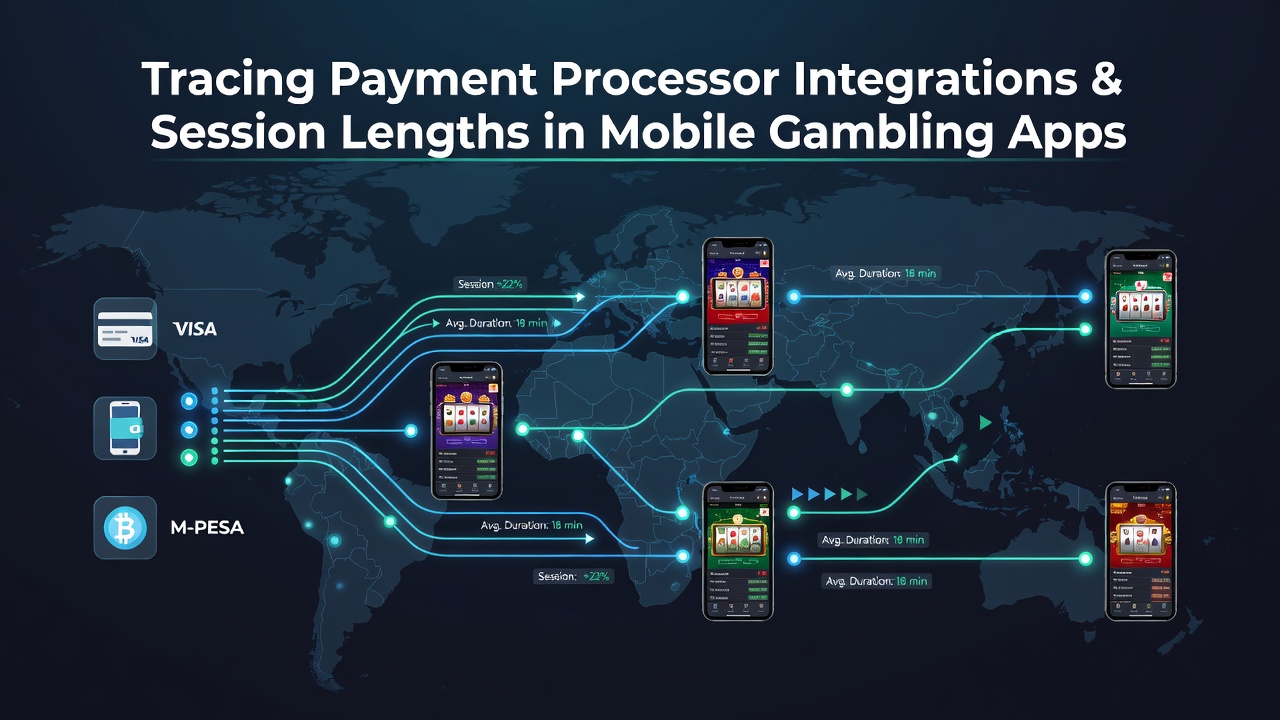
Payment processor integrations in mobile gambling applications have developed intricate pathways that connect transaction flows directly to user session durations, particularly across emerging markets where local financial systems intersect with digital platforms in distinct ways. Observers note that seamless connections with regional payment methods often extend engagement periods because reduced friction during deposits and withdrawals keeps players within the application longer, whereas slower or fragmented integrations tend to create natural breakpoints that shorten overall time spent per session.
Local Payment Ecosystems and Their Technical Footprint
Markets such as those in parts of Africa and South Asia rely heavily on mobile money services and instant bank transfer protocols that gambling applications have incorporated over recent years, and these integrations determine how quickly a user can move funds without exiting the app environment. Data from industry reports indicates that applications using optimized connections to systems like M-Pesa or UPI experience measurable differences in average session lengths compared to those depending on international card networks alone, since the former reduce the number of steps required for each transaction cycle. Researchers have tracked these patterns through anonymized usage logs, revealing that transaction confirmation times under three seconds correlate with continued play sequences while delays beyond ten seconds frequently coincide with session terminations.
What's interesting here is the way backend routing decisions made during integration planning quietly shape these outcomes, because processors that support real-time balance updates allow users to maintain momentum without switching to external banking applications. In contrast, those requiring additional verification layers introduce pauses that accumulate across multiple betting rounds and ultimately compress total engagement windows.
Transaction Latency Patterns and User Retention Metrics
Studies compiled by academic institutions in emerging regions show that session lengths expand when payment gateways handle micro-transactions efficiently, allowing repeated small deposits that sustain longer play periods without forcing users to pause for larger funding events. Figures reveal that applications in Southeast Asian markets integrating local e-wallet processors recorded average session extensions of fifteen to twenty-two percent during peak hours compared to those limited to slower cross-border options. These differences appear most pronounced during evening windows when network congestion affects processing speeds and users become more sensitive to any added wait times.
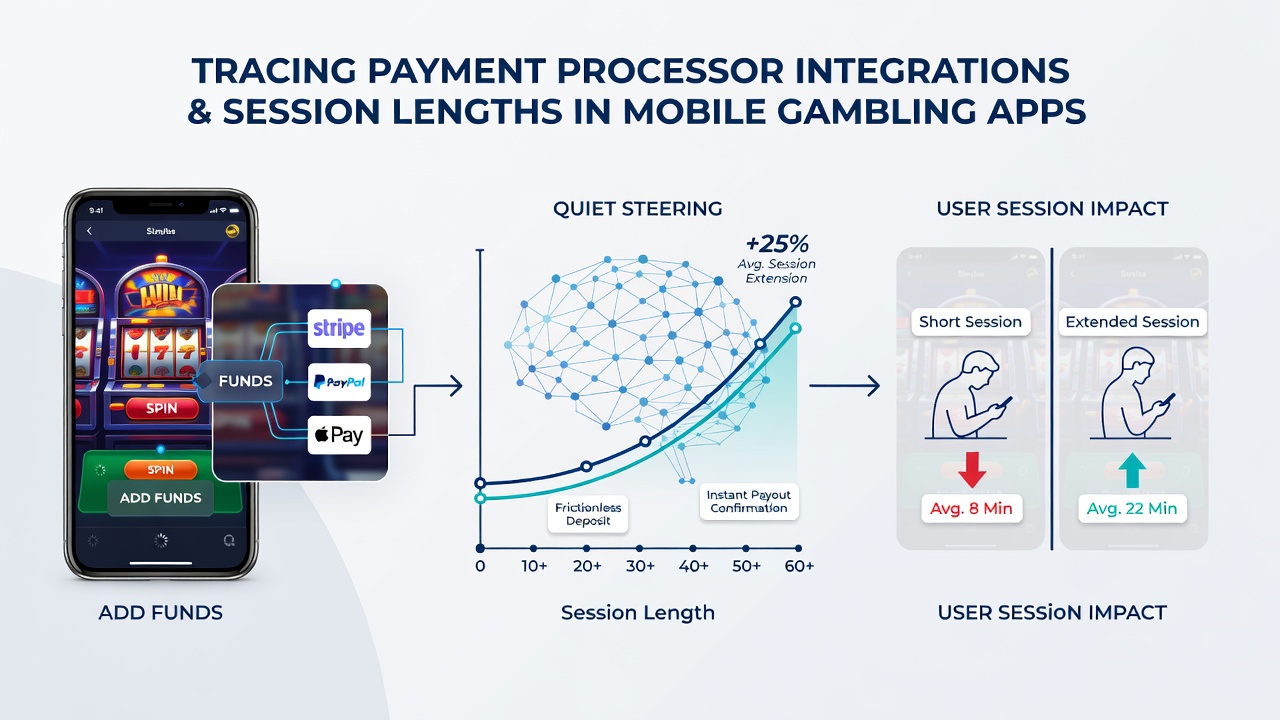
Yet the mechanics extend beyond simple speed, because certain processors embed limit structures that prompt users to adjust bet sizes or frequency mid-session, creating ripple effects on total duration. One analysis of application telemetry from Latin American platforms found that integrations enforcing daily transaction caps led to earlier exits once users approached those thresholds, while more flexible frameworks permitted extended sequences of activity spread across several hours.
Regional Regulatory Influences Emerging in 2026
Regulatory developments scheduled for implementation around September 2026 in select jurisdictions are expected to require greater transparency in payment routing disclosures, which could alter how operators configure their processor partnerships and subsequently influence session behaviors. According to preliminary guidance from financial inclusion bodies in multiple African nations, standardized reporting on transaction success rates will likely highlight performance gaps between different gateways and encourage shifts toward integrations that minimize interruptions. Those who've examined pilot programs note that markets adopting these rules early have already observed subtle adjustments in user flow patterns as operators preemptively refine their technical setups.
Observers note that cross-border operators face additional layers of complexity when aligning with multiple national payment standards simultaneously, since each region maintains distinct compliance requirements that affect integration depth and resulting session continuity. Data indicates that platforms managing these alignments through unified APIs tend to sustain longer average sessions than those handling separate connections for each market.
Observed Correlations in User Behavior Data
Telemetry gathered across several high-growth territories demonstrates consistent links between processor reliability and session persistence, with applications experiencing fewer declined transactions showing higher retention across consecutive days. Researchers discovered that users encountering repeated payment failures during initial sessions often reduce subsequent engagement lengths or abandon the application entirely, creating measurable drops in aggregate play time. These patterns hold across device types, although mobile-specific constraints such as intermittent connectivity amplify the impact of any processor instability.
What's significant is the indirect role played by fee structures embedded in processor agreements, because higher per-transaction costs can discourage frequent small deposits that otherwise support extended sessions, leading users to consolidate activity into shorter, more intensive bursts. Industry reports from research institutions tracking these variables have documented this compression effect in markets where cost sensitivity remains elevated among the user base.
Conclusion
The quiet mechanics of payment processor integrations continue to shape session lengths in mobile gambling applications throughout emerging markets through a combination of speed, reliability, and structural limits that operate beneath the surface of user interfaces. As technical frameworks evolve and regulatory environments adjust in periods such as September 2026, the connections between these systems and engagement metrics will likely become more visible through ongoing data collection efforts. Those monitoring these developments emphasize that the underlying architecture of financial integrations determines much of the observed variation in how long users remain active within each application.