14 Oct 2026
How Weather-Driven Player Migration Patterns Reshape Engagement in Virtual Betting Hubs
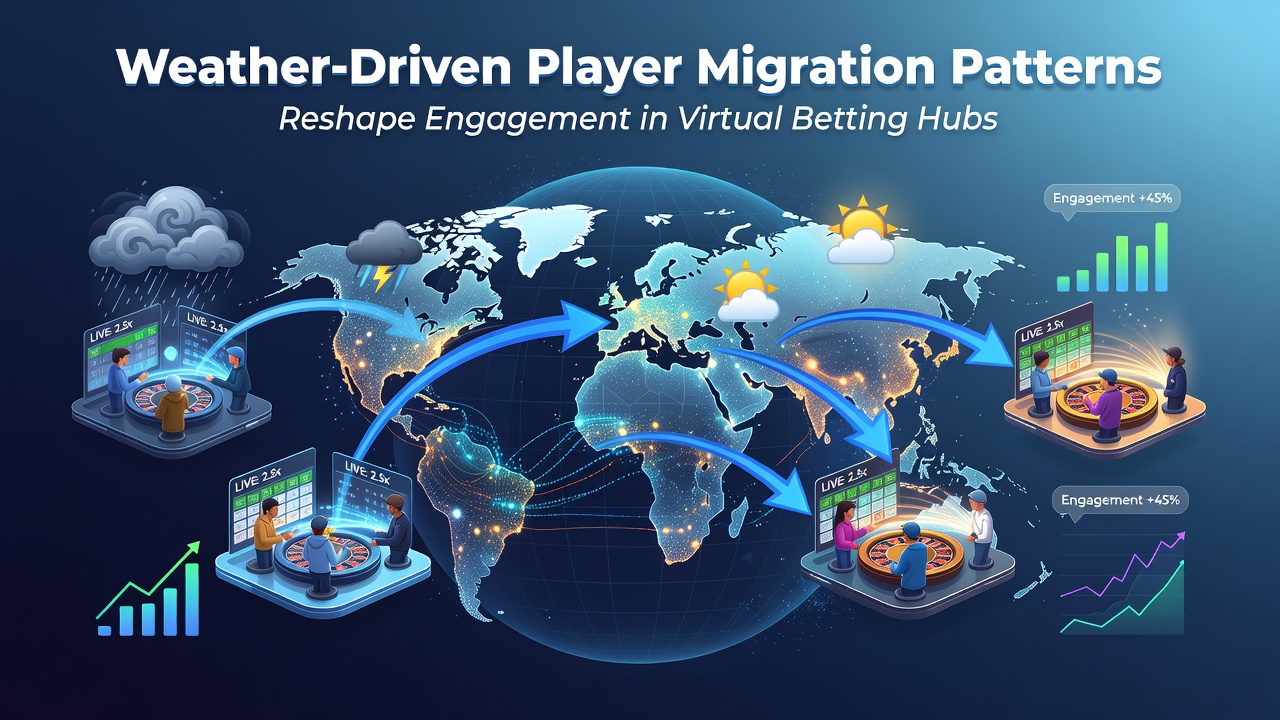
Weather patterns across continents drive measurable shifts in how users interact with virtual betting platforms, and analysts track these movements through aggregated engagement data collected from multiple jurisdictions. Studies from research institutions show that prolonged periods of extreme temperatures or precipitation correlate with increased logins to online wagering sites, particularly when outdoor activities become restricted for days or weeks at a time.
Seasonal Data Patterns Across Regions
Figures compiled by Statistics Canada reveal that winter months in northern provinces see user sessions on digital betting hubs rise by 18 to 22 percent compared with milder spring periods, while similar spikes appear in Australian records during summer heatwaves that push residents indoors. These migrations occur as individuals seek indoor entertainment options, and platform operators adjust server loads accordingly to maintain stable access during peak demand windows.
Researchers at the University of Nevada, Reno, examined three years of anonymized traffic logs and found that storm systems moving through the American Southwest prompted temporary upticks in cross-border virtual hub activity, with users from Texas and Arizona shifting engagement toward platforms hosted in less weather-affected zones. The study noted that such movements often stabilize within 48 hours once conditions normalize, yet repeated events compound into broader seasonal trends visible in yearly aggregates.
Platform Adjustments and User Routing
Operators respond to these fluctuations by rerouting traffic through content delivery networks that prioritize low-latency connections for regions experiencing adverse conditions, and data from the European Gaming and Betting Association indicates that latency reductions of even 15 milliseconds improve retention rates during weather-related surges. Virtual betting hubs located in temperate zones attract displaced users from areas hit by hurricanes or blizzards, creating temporary population shifts within user bases that last until local weather improves.
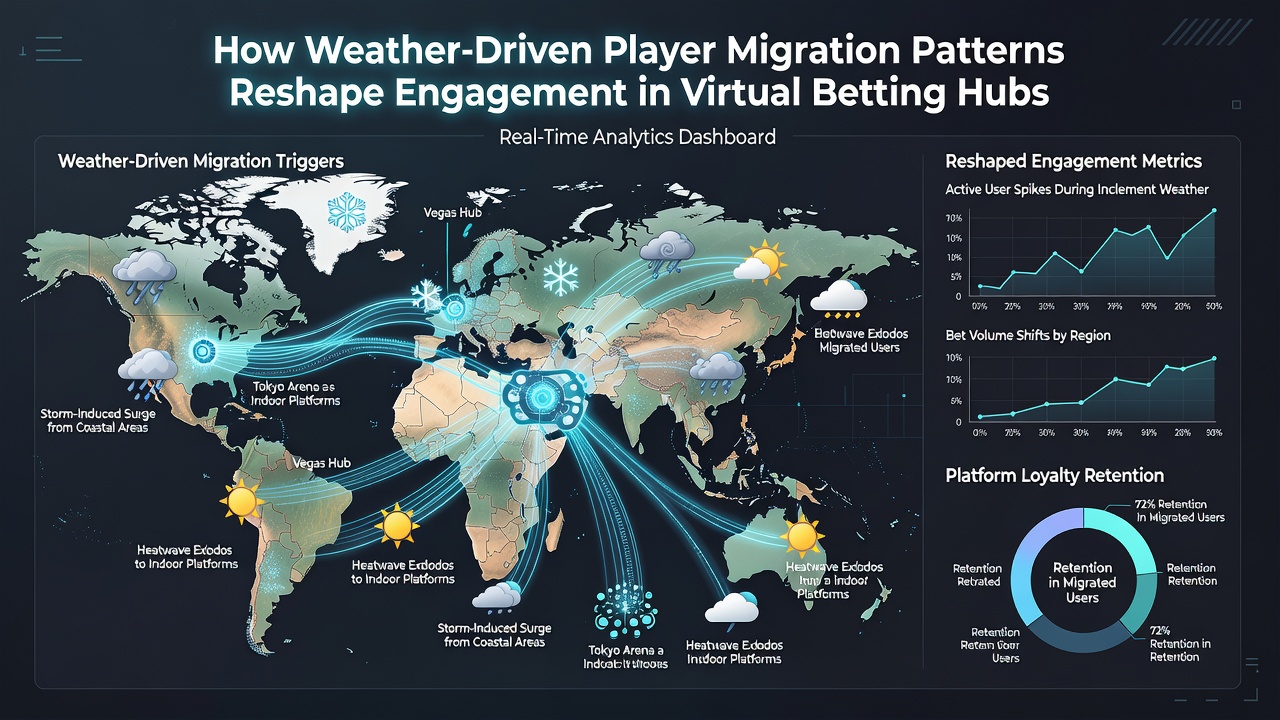
One analysis of October 2026 engagement metrics highlighted how early autumn storms in the Gulf Coast region coincided with elevated participation on European and Asian servers, as players sought uninterrupted sessions while local infrastructure faced disruptions. Platform algorithms detect these geographic redistributions through IP clustering and adjust promotional timing to align with incoming user cohorts from affected territories.
Geographic and Temporal Correlations
Evidence from longitudinal tracking shows that migration intensity varies by event type, with slow-moving weather systems producing steadier engagement increases than sudden events like flash floods. In Canada, provincial data from the same period documented that provinces with higher baseline online gambling participation experienced proportionally larger influxes during multi-day cold snaps, whereas regions with lower prior adoption showed more modest responses.
Those who monitor global traffic patterns note that virtual betting hubs in Oceania often absorb users from Southeast Asia during monsoon seasons, while North American platforms see reciprocal movements during winter events. These exchanges remain fluid because most platforms operate under multi-jurisdictional licensing that permits seamless cross-region access without additional registration steps.
Implications for Infrastructure Planning
Network architects incorporate weather forecasting models into capacity planning, drawing on meteorological data to predict load increases days in advance. Reports from the Australian Institute of Health and Welfare document parallel rises in help-seeking behaviors during extended indoor periods, prompting some platforms to integrate responsible gaming prompts more prominently when regional weather alerts coincide with usage spikes.
October 2026 data further illustrated how overlapping weather events across hemispheres can create sustained global demand plateaus rather than isolated peaks, forcing operators to maintain higher baseline server allocations year-round. Such patterns emerge clearly when analysts overlay public weather archives with anonymized session records from multiple operators.
Conclusion
Weather-driven migrations continue to influence virtual betting hub dynamics through predictable yet variable channels tied to seasonal extremes and regional infrastructure resilience. Data sources spanning North America, Europe, and Oceania demonstrate consistent correlations between meteorological conditions and engagement redistributions, with platforms adapting routing and resource allocation to accommodate shifting user locations. These patterns persist as operators refine predictive models that integrate weather forecasts with historical traffic data, maintaining service continuity across fluctuating demand landscapes.